Harmonising Technology and Artistry
The Early Foundations
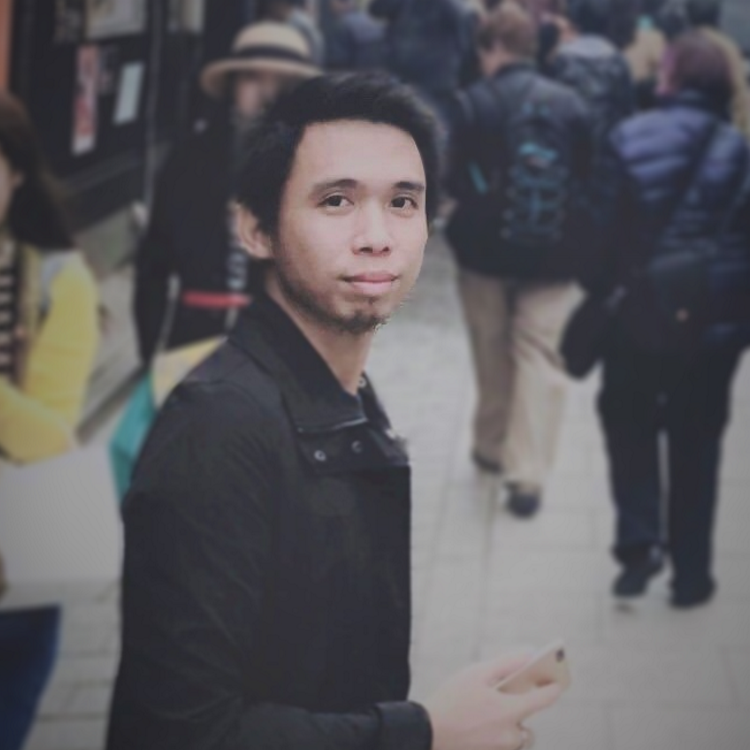
My relationship with music began during my preparatory school years, where I was first introduced to the piano. While these initial lessons did not immediately ignite my passion, they laid an important foundation for my musical journey. Around this same formative period, I was also exposed to the bamboo flute—a traditional instrument rich in cultural heritage. Although neither instrument captured my full attention at that young age, these early encounters planted seeds that would eventually flourish.
The progression of my musical education continued in third grade when I was formally introduced to solfège and sight reading. These fundamental skills, while seemingly technical at the time, would later prove invaluable as I developed as a musician. The structured approach to understanding musical notation provided me with a framework that would support my future creative endeavours, even if I didn't fully appreciate their significance during those early academic years.
Discovering Musical Passion
The transformative moment in my musical journey occurred near the conclusion of primary school when I discovered the guitar. Unlike my previous musical encounters, the guitar resonated with me on a profound level. Its versatility, expressiveness, and accessibility aligned perfectly with my developing artistic sensibilities. What began as curiosity quickly evolved into genuine passion as I dedicated countless hours to mastering the instrument.
My community played a crucial role in nurturing this newfound passion. Surrounded by supportive mentors and fellow enthusiasts, I found myself immersed in a rich musical culture that encouraged experimentation and growth. The collaborative nature of music-making in my local environment provided both inspiration and practical experience that proved formative to my development as a musician.
Performance and Musical Identity
As I progressed through high school and into college, my commitment to music manifested through active participation in two distinct bands. In my first band, I took on the role of bassist, developing a deep appreciation for the rhythmic foundation that underlies all compelling musical compositions. This experience taught me the importance of musical support structures and the subtle art of creating space for other instruments while maintaining the essential pulse that drives a piece forward.
In my second band, I transitioned to rhythm guitar, which allowed me to explore harmonic complexity and textural elements in greater depth. These complementary performance experiences provided me with a comprehensive understanding of band dynamics and the various ways different instruments contribute to a cohesive musical statement. Throughout these formative years, I developed not only technical proficiency but also the invaluable skills of musical communication and collaborative creativity.
Professional Development in Technology
Recognising the growing technology sector and future-proofing my career, I made a deliberate decision to pursue a different career path. Instead of pursuing an education in music, I pursued a professional diploma in Multimedia Arts during my college years. This educational choice was strategic, allowing me to develop technical expertise that would support my professional aspirations of becoming a developer and designer.
Upon graduation, I embarked on a career in web development, where I quickly demonstrated aptitude for translating design concepts into functional digital experiences. This initial professional role provided me with a solid understanding of user experience principles and front-end technologies that would prove valuable throughout my career. As I gained experience and expanded my technical repertoire, I transitioned into software development with a specialised focus on mobile applications.
My years in software engineering were characterised by continuous learning and adaptation to rapidly evolving technologies. I contributed to numerous projects that required innovative solutions to complex problems, developing expertise in multiple programming languages and development frameworks. The analytical thinking and structured approach required in software development improves my musical background in unexpected ways, as both disciplines require self-discipline, attention to detail, pattern recognition, coordination, and a lot of patience.
The Pandemic Pivot
The global COVID-19 pandemic of 2020 marked a significant turning point in both my professional trajectory and personal creative journey. As worldwide lockdowns reshaped work environments and daily routines, I found myself with an opportunity to reflect on my long-term aspirations and reconnect with my musical roots. During this period of unprecedented global change, I began exploring music production and composition as more than just a casual hobby.
What started as a constructive way to navigate the challenges of isolation evolved into a rediscovery of my fundamental passion for musical creation. I immersed myself in learning digital audio workstations, orchestration techniques, and mixing methodologies. The technical skills I had developed throughout my software engineering career proved remarkably transferable to the domain of digital music production, allowing me to progress rapidly in this new creative direction.
Return to Musical Roots
As the technology sector experienced significant workforce restructuring with widespread layoffs, I recognised an opportunity to make a deliberate and meaningful career transition. Rather than viewing these industry changes as setbacks, I embraced them as catalysts for returning to my first love—music. This decision represented not an abandonment of my technical expertise, but rather a thoughtful integration of my diverse skill sets toward a more personally fulfilling professional identity.
Since making this pivotal transition, I have released several contemporary orchestral albums that reflect both my classical influences and modern sensibilities. These compositions represent the culmination of my lifetime of musical experiences, technical knowledge, and artistic vision. Each album serves as both a creative milestone and a professional calling card, demonstrating my ability to conceptualise and execute complete musical projects from initial composition through final production.
The violin, with its expressive qualities and technical demands, offers a different approach to musicality than my previous instrumental focuses. Mastering this classical instrument allows me to bring greater authenticity and nuance to my orchestral compositions, as I develop firsthand knowledge of string techniques and timbral possibilities. This practical understanding enhances my ability to write effectively for string sections and communicate my musical intentions with greater precision.
Continuing Musical Evolution
My commitment to musical growth remains unwavering as I continue to compose new material and expand my instrumental capabilities. Most recently, I have undertaken the study of violin—an endeavour motivated by the desire to personally perform the string sections of my compositions. This new technical challenge represents my belief in continuous learning and the importance of understanding music from multiple perspectives.
The violin, with its expressive qualities and technical demands, offers a different approach to musicality than my previous instrumental focuses. Mastering this classical instrument allows me to bring greater authenticity and nuance to my orchestral compositions, as I develop firsthand knowledge of string techniques and timbral possibilities. This practical understanding enhances my ability to write effectively for string sections and communicate my musical intentions with greater precision.
Violin Journey: A Dedicated Approach to String Mastery
In mid-December 2024, I embarked on a structured journey to master the violin—an instrument that has long fascinated me for its expressive capabilities and central role in orchestral composition. Recognizing that learning such a technically demanding instrument would require a methodical approach, I developed a comprehensive strategy that incorporates multiple pedagogical traditions.
My violin studies are grounded in three complementary method books, each offering distinct perspectives on technique and musical development. The first, "Méthode de Violon," provides me with a foundation in the French school of violin playing, known for its emphasis on elegance, clarity of tone, and precise bowing technique. This traditional approach connects me to centuries of violin pedagogy and offers insights into the nuanced expressivity that characterizes French string performance.
Simultaneously, I work through "A Practical Method for the Violin," which provides a more technically oriented perspective with its progressive exercises and etudes. This method has proven particularly valuable for developing left-hand facility and intonation accuracy—critical skills for a composer who needs to understand the practical limitations and possibilities of string writing. The systematic progression of technical challenges in this method complements my analytical approach to learning.
To ensure a comprehensive foundation, I also incorporate "Easiest Elementary Method for Beginners," which offers accessible entry points for developing fundamental skills. This method has been especially helpful for establishing proper positioning, basic bowing techniques, and building the physical stamina required for violin performance. The clear, incremental approach provides regular benchmarks for progress that maintain motivation through the challenging early stages of learning.
This multi-method approach reflects my belief that musical development benefits from exposure to diverse pedagogical traditions. By engaging with these complementary resources, I am developing a well-rounded technical foundation while gaining insights into different stylistic approaches to string performance. This methodical study not only advances my personal musical capabilities but directly enhances my compositional work by deepening my understanding of string instrumentation from a performer's perspective.
Synthesis of Technology and Artistry
My professional journey represents a harmonious integration of technological expertise and artistic expression. Rather than viewing these domains as separate or contradictory, I have consistently found ways to leverage skills developed in one area to enhance my capabilities in the other. The logical thinking and systematic approach I cultivated as a software engineer inform my compositional process, while the creativity and emotional intelligence essential to musical expression enhance my approach to technical problem-solving.
As I continue to develop as a composer and instrumentalist, I remain grateful for the diverse experiences that have shaped my unique professional path. From early musical education to software development excellence and now returning to dedicated musical creation, each phase has contributed essential elements to my comprehensive skill set. This distinctive combination of technical proficiency and artistic sensitivity positions me to create work that is both emotionally resonant and technically sophisticated.
In an era where the boundaries between technology and art continue to blur, my background offers a valuable perspective on how these domains can mutually reinforce one another. Whether composing for orchestral ensembles, producing contemporary recordings, or performing on multiple instruments, I bring a wealth of interdisciplinary knowledge to each endeavour. This integrated approach to creative and technical work remains the defining characteristic of my professional identity and the foundation upon which I continue to build my musical career.