From Code to Crescendo—A Developer's Return to Music
Where Code Meets Melody
After sixteen years immersed in the digital architecture of software development, I found myself drawn back to my first love—music. The structured logic of code and the flowing expressions of melody have always occupied spaces in my mind and the latter my heart, each reinforcing the other in unexpected ways.
My musical foundation was laid early, learning to read notes alongside words in primary school. The piano became my first framework for understanding music theory, while the bamboo flute taught me the subtleties of breath control. In late primary school up to college, the resonant strings of bass and guitar became extensions of my creative voice, before technology's call led me down a different path.
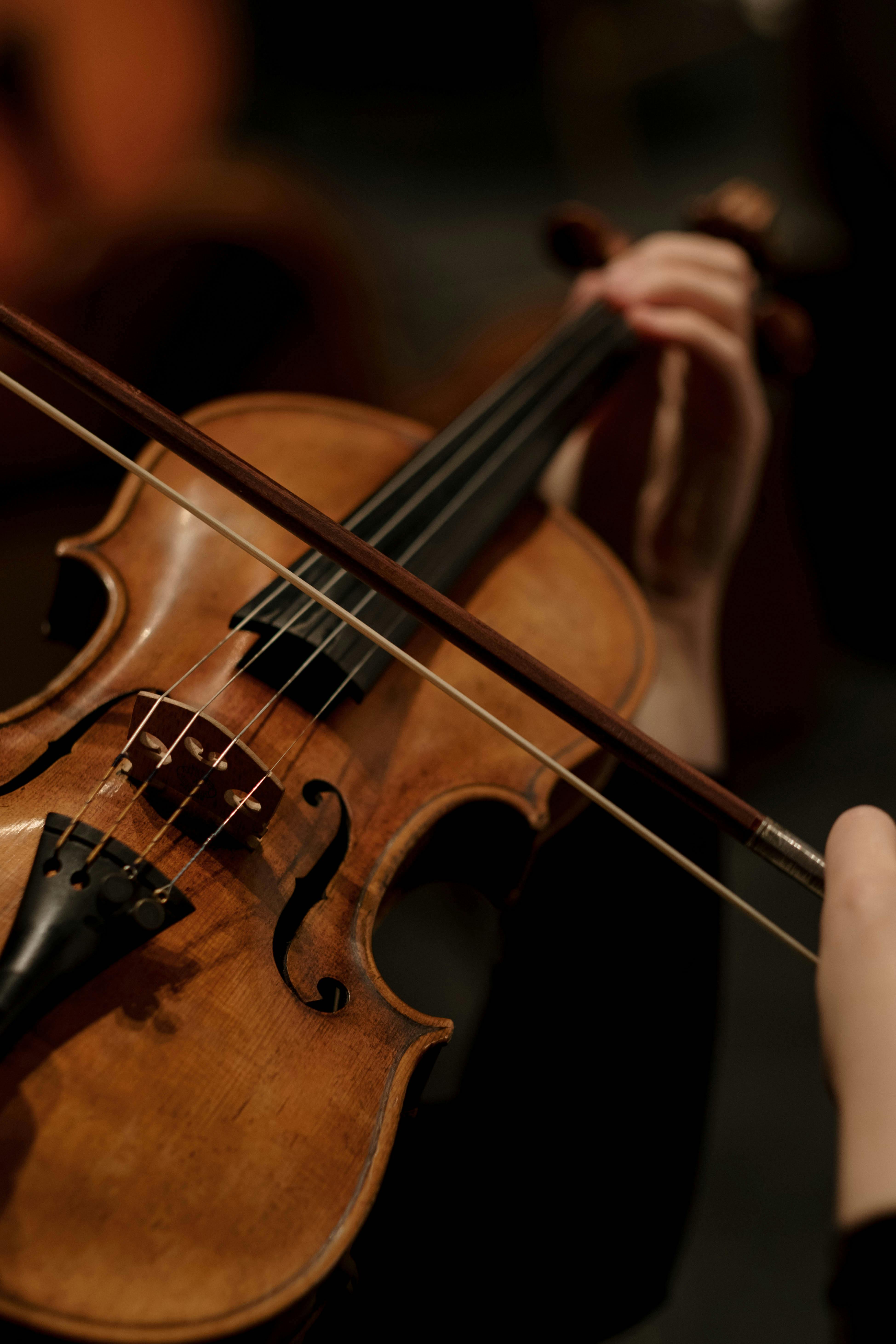
Now, as a Senior Software Developer with a wealth of experience solving complex problems, I'm embracing a musical renaissance. The violin's elegant complexity presents a fascinating new challenge—its fretless fingerboard demanding precision akin to debugging intricate code. Meanwhile, I'm opening my schedule to share piano knowledge with students, finding unexpected parallels between mentoring junior developers and nurturing musical talent.
The Pandemic Pivot: Rediscovering Passion Through Isolation
When the world retreated indoors during Covid-19, the sudden stillness created space for forgotten passions to resurface. For me, music—that first creative language I had mastered long before writing code, began calling again with unexpected clarity.
The isolation that challenged so many became my catalyst for musical reconnection. I found myself drawn to composition videos, studying the architecture of orchestral works with the same analytical mind I'd honed through years of software development. Music theory and composition revealed themselves as fascinating systems, not unlike elegant code structures, with rules that could be learned, mastered, and eventually, artfully broken.
This rediscovery quickly evolved from casual interest to serious pursuit. Soon, I wasn't just studying compositions, but creating them—translating emotions and experiences into contemporary orchestral pieces. Digital audio workstations became my new integrated development environments, samples and virtual instruments my libraries and frameworks. Each completed album represented not just a collection of songs but a milestone in this midlife musical renaissance.
The natural progression from composition to performance emerged organically. The violin, with its expressive range and prominent role in orchestral works, presented the perfect next challenge. Learning to play this instrument connects me physically to the music I compose, creating a beautiful cycle of creation and interpretation. Each practice session brings me closer to that meaningful moment when I'll perform my own violin compositions, completing a circle that began during those quiet pandemic days.
This journey exemplifies how dormant passions never truly disappear, they simply wait for the right conditions to flourish again. The technical precision I developed as a software developer now serves my musical expression, while the creativity music demands enriches my approach to technical problems.
Charting the Course: What Lies Ahead
This blog will evolve into a vibrant intersection of musical experiences and knowledge—a space where technical skill meets artistic expression, and where teaching intertwines with perpetual learning.
My ongoing violin apprenticeship will serve as a narrative backbone, offering not just fellow adult learners, but violin learners in general, an honest window into the challenges and breakthroughs that accompany mastering a new instrument, whether they are starting young or later in life. You'll witness the progression from tentative first notes to increasingly confident performances, complete with practical insights about practice techniques that accommodate busy professional schedules.
Piano instruction will form another cornerstone, where I'll share pedagogical approaches informed by both traditional music education and the systematic problem-solving mindset developed through software engineering. These posts will benefit both students and fellow teachers seeking fresh perspectives on timeless musical concepts.
Composition discussions will delve into the creative process behind my orchestral works, exploring how technology enables independent composers to craft sophisticated arrangements without traditional orchestral resources. I'll examine the delicate balance between digital precision and human expression, offering guidance for those navigating similar creative waters.
Beyond personal experiences, we'll explore broader musical landscapes—analyzing noteworthy concerts, dissecting influential compositions, and examining developments in music technology that are reshaping how we create and experience sound. Occasional forays into guitar techniques will connect back to my early musical foundations, demonstrating how different instrumental perspectives enrich overall musicality.
The Harmonious Intersection
What makes this particular musical journey unique is the perspective gained from straddling two seemingly disparate worlds. Software development taught me structured thinking, methodical problem-solving, and the patience to debug complex systems. These same skills now illuminate my approach to music, whether I'm analyzing a difficult passage in a violin concerto or designing progressive lesson plans for piano students.
Conversely, musical thinking has retrospectively enhanced my technical work. Musical concepts like counterpoint and harmony offer metaphorical frameworks for understanding complex systems interactions. The discipline of regular practice parallels the continuous learning essential in technology. The creative intuition developed through composition complements the logical reasoning required for coding.
This blog exists at this harmonious intersection—where algorithmic thinking meets artistic expression, where teaching others reinforces personal learning, and where technology serves as both tool and medium for musical creation.
For readers returning to abandoned musical passions, for technologists curious about creative pursuits, or for musicians interested in how systematic approaches might enhance their practice—consider this blog your companion in growth. Together, we'll discover how music continues to reveal new dimensions at every stage of life, and how the seemingly separate paths of technology and art can converge into a richly rewarding journey.
Welcome to my musical renaissance. I'm glad you're here.