Violin Learning—Stickers or Muscle Memory
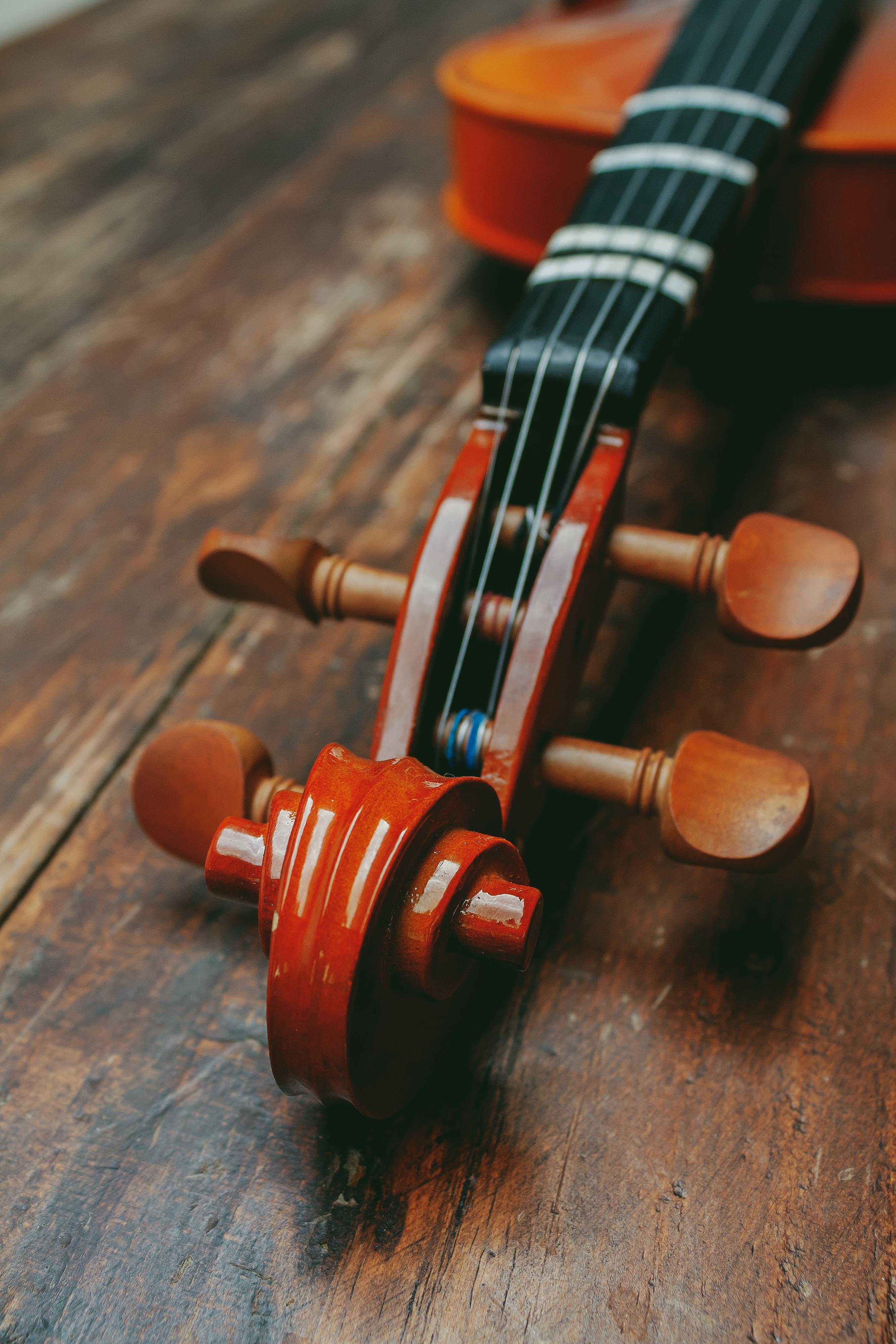
The Age-Old Dilemma for Violin Learners: Stickers or Muscle Memory?
Every beginning violinist encounters a fundamental crossroads early in their musical journey: should they rely on colourful stickers placed strategically on the fingerboard to guide finger placement, or plunge directly into developing muscle memory through dedicated repetitive practice? This choice, seemingly minor at first glance, shapes the entire trajectory of violin learning and influences how students develop their relationship with intonation, finger independence, and musical confidence.
The significance of this decision extends far beyond convenience. Stickers provide immediate visual reassurance for nervous beginners who struggle to locate precise finger positions on an unmarked fingerboard. They offer tangible targets that can accelerate early progress and reduce frustration during those critical first weeks when motivation is fragile. Conversely, muscle memory development demands patience and trust in the body's ability to internalise spatial relationships through repetition, ultimately creating the kinaesthetic awareness that enables advanced playing techniques.
Understanding both approaches empowers beginning violinists to make informed decisions rather than simply accepting whatever method their instructor prefers. This exploration examines the practical applications, psychological impacts, and long-term consequences of each strategy, providing insights from experienced teachers and accomplished performers who have navigated these learning pathways successfully.
Sticker Power: Navigating the Fingerboard with Visual Cues
Visual learning dominates how many people process new information, making stickers a natural bridge between conceptual understanding and physical execution on the violin. These small, colorful markers transform an intimidating blank fingerboard into a comprehensible map where each finger has a designated home. The immediate feedback they provide allows beginners to focus on bow technique, posture, and musical expression without constantly worrying about intonation accuracy.
The psychological benefits of stickers extend beyond mere convenience. They create confidence during early practice sessions when everything about violin playing feels foreign and overwhelming. Students can concentrate on developing proper left-hand posture and finger curvature while trusting their visual cues to guide pitch accuracy. This confidence often translates into more enthusiastic practice sessions and faster initial progress through beginner repertoire.
Selecting appropriate stickers requires consideration of both practical and pedagogical factors. Thin tape works better than thick stickers that might interfere with finger placement or create uneven surfaces under the strings. Bright colours provide clear contrast against dark fingerboards, while subtle earth tones might be less distracting for students who find vivid colours overwhelming. Placement accuracy is crucial—stickers positioned even slightly off-centre can reinforce incorrect intonation habits that become increasingly difficult to correct as students advance.
The strategic use of stickers can accelerate fingerboard familiarity by creating visual anchors for hand position shifts. Rather than marking every possible finger placement, experienced teachers often place stickers only at key reference points, encouraging students to develop spatial awareness for intermediate positions. This approach maintains the benefits of visual guidance while preventing excessive dependence on external cues.
The Muscle Memory Advantage: The Power of Repetition
Muscle memory represents the sophisticated coordination between brain and body that enables complex physical skills to become automatic. In violin playing, this neurological adaptation allows fingers to find precise positions without conscious calculation, freeing mental resources for musical interpretation and expression. Professional violinists rely heavily on this internalised spatial awareness, which enables them to perform rapid passages, execute precise shifts, and maintain accurate intonation even under performance pressure.
The development of muscle memory follows predictable stages that mirror other complex motor skills. Initial attempts require conscious attention to every finger placement, similar to learning to drive a car or type on a keyboard. Through consistent repetition, these movements gradually transition from deliberate actions to automatic responses. The violin fingerboard becomes as familiar as a well-known neighbourhood, where fingers navigate instinctively toward their destinations.
Effective practice methods that foster muscle memory development emphasise slow, deliberate repetition over speed or volume. Students benefit from practicing scales and simple melodies at tempos that allow complete attention to finger placement accuracy and hand position stability. Each repetition builds neural pathways that eventually enable automatic finger placement, but only when executed with careful attention to precision rather than mindless drilling.
The gradual transition from conscious finger placement to automatic positioning creates a foundation for advanced techniques. Students who develop strong muscle memory early in their studies find it easier to learn vibrato, shifting between positions, and complex fingering patterns. Their fingers develop independence and strength that supports more sophisticated musical expression as their technical abilities expand.
Balancing the Scales: When and How to Transition
The optimal timing for transitioning from stickers to muscle memory varies significantly among individual students, depending on their learning style, practice consistency, and comfort level with uncertainty. Most students benefit from beginning this transition after establishing basic finger patterns and gaining confidence with simple scales and beginner pieces. This typically occurs between three to six months of consistent practice, though some students may be ready earlier while others require additional time with visual aids.
Successful transitions happen gradually rather than abruptly. Students can begin by removing one sticker at a time, starting with the most familiar finger positions and progressing toward less secure placements. This progressive approach maintains confidence while challenging students to develop internal reference points. Practice sessions during this period should emphasize slow scales and familiar pieces that allow students to focus on finger placement without the additional challenge of learning new music.
Combining both approaches creates a comprehensive learning strategy that maximizes the benefits of each method. Students might use stickers during initial learning of new pieces while practicing familiar repertoire without visual aids. This dual approach reinforces muscle memory development while providing security during the inevitable challenges of learning increasingly complex music.
The importance of patience during this transition cannot be overstated. Students often experience temporary frustration as they adjust to relying on internal rather than external cues for finger placement. Teachers and students must expect some initial inaccuracy while muscle memory develops, viewing temporary pitch problems as natural parts of the learning process rather than indicators of failure or regression.
My Personal Journey: Choosing the Challenge of Pure Muscle Memory
When I began my violin journey, I made a deliberate decision that many found counterintuitive: I refused to use stickers from day one. This choice stemmed from a deep concern about developing dependencies that might ultimately limit my musical growth. I recognised that stickers, while helpful in the short term, could potentially create a crutch that would be difficult to abandon later in my development.
My reasoning centred on avoiding the trap of visual reliance at the expense of developing genuine pitch sensitivity. I wanted my ears to become the primary judge of intonation accuracy rather than my eyes seeking confirmation from coloured markers. This approach meant accepting weeks of frustrating practice sessions where every note felt uncertain and progress seemed painfully slow compared to others who could confidently place their fingers on clearly marked positions.
The initial struggle proved worthwhile as my ear-finger coordination developed more rapidly than anticipated. Without visual cues to rely upon, I was forced to listen intently to every note and develop the subtle muscle adjustments that create true intonation. My fingers learned to make micro-corrections based on auditory feedback rather than visual confirmation, building the foundation for advanced techniques that should emerge years later.
This path demanded extraordinary patience and faith in the learning process, but it ultimately created an unshakeable connection between my musical ear and physical technique that continues to serve me today.
Conclusion: The Path to Violin Mastery
The choice between stickers and muscle memory need not be absolute or permanent. Both approaches offer valuable contributions to violin learning when applied thoughtfully and strategically. Stickers provide essential confidence and visual feedback during early learning stages, while muscle memory development creates the foundation for advanced playing techniques and musical expression.
The most successful violin students often combine elements of both approaches, using visual aids strategically while consistently working toward muscle memory independence. This balanced strategy acknowledges that learning violin involves multiple types of intelligence and skill development, from visual processing to kinaesthetic awareness to auditory discrimination.
Rather than viewing this as a choice between right and wrong methods, consider it an opportunity to customise your learning approach based on your individual strengths, challenges, and goals. Experiment with both stickers and muscle memory techniques, paying attention to how each affects your confidence, accuracy, and enjoyment of practice. Some students thrive with visual aids while others prefer the challenge of developing internal awareness from the beginning.
The violin learning journey rewards patience, consistency, and willingness to adapt your approach as your skills develop. Whether you begin with stickers or dive directly into muscle memory development, remember that both paths can lead to musical fulfilment and technical proficiency. Embrace the process, celebrate small victories, and trust that dedicated practice will gradually transform the violin from a challenging instrument into a natural extension of your musical expression.