The Violin Shop Experience—Buying Your First Violin
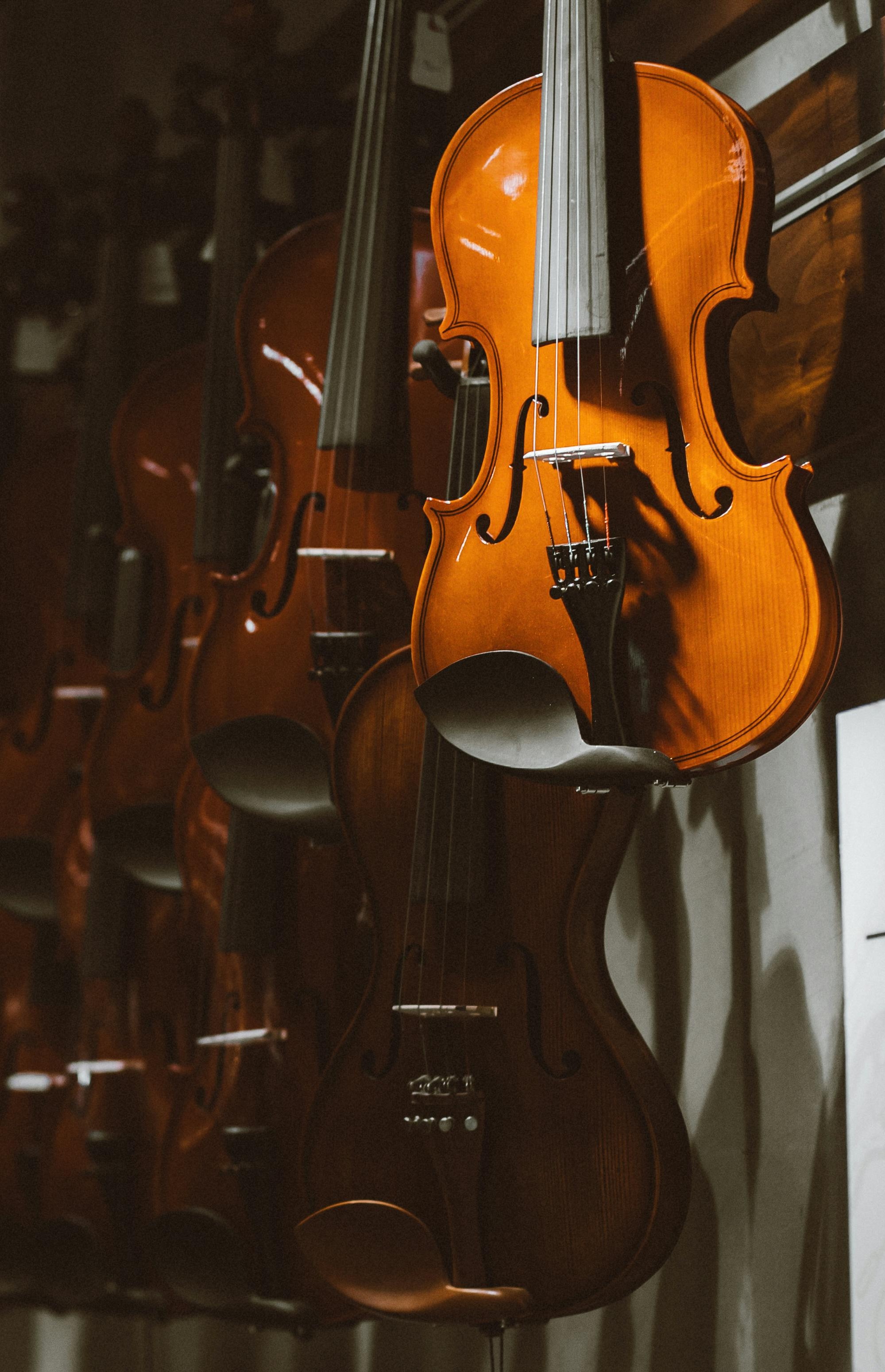
Have you ever walked into a violin shop and felt overwhelmed by the sheer number of instruments hanging from walls and resting in glass cases? The experience can feel both magical and intimidating, especially when you're searching for your first violin. This journey from browsing to buying represents more than a simple purchase—it's the beginning of a musical relationship that could last a lifetime.
Stepping into the World of Violin Shops
Walking through the door of a violin shop transports you into a world where craftsmanship meets artistry. Most shops organise their space into distinct sections that tell the story of the violin's lifecycle. New instruments gleam under careful lighting, their varnish catching reflections like amber honey. Nearby, vintage and used violins carry the experience of years spent creating music, each scratch and worn spot is a testament to countless hours of practice and performance.
The repair workshop often sits in one of these establishments, where skilled luthiers sits in their workbenches with tools that haven't changed much in centuries. The scent of wood shavings and varnish fills the air, creating an atmosphere that speaks to both history and passion. These craftspeople understand that each violin possesses its own voice, shaped by the wood selection, construction techniques, and the subtle adjustments that transform raw materials into singing instruments.
Your first conversation with a knowledgeable sales assistant becomes crucial in navigating this complex landscape. They serve as translators between your musical aspirations and the technical realities of instrument selection. A skilled advisor will ask about your playing experience, musical goals, and budget constraints, using this information to narrow the overwhelming choices into a manageable selection tailored specifically to your needs.
From Browsing to Trying
The variety within any violin shop can astound newcomers. Instruments range from compact quarter-size violins designed for young children to full-size concert instruments crafted by renowned makers. Each violin carries distinct visual and tonal characteristics shaped by its maker's approach, the wood's origin, and the construction methods employed. Student instruments prioritise durability and consistent sound production, while professional violins showcase complex tonal colours and dynamic responsiveness that reward advanced techniques.
Listening becomes the most critical skill when comparing violins. Each instrument produces sound through the complex interaction of its wooden components, creating unique tonal signatures that range from bright and focused to warm and complex. Pay attention to how easily the violin responds to bow pressure, how the sound projects across different registers, and whether the tone remains consistent from the lowest G string to the highest notes on the E string. The violin should sing freely without requiring excessive force, allowing musical expression to flow naturally through the instrument.
The physical relationship between player and violin determines comfort and technical capability. Notice how the instrument feels against your shoulder and chin, whether the neck width accommodates your hand size comfortably, and how the violin's weight distributes during extended playing. These ergonomic factors directly impact your ability to develop proper technique and avoid physical strain that could limit your musical progress.
Unveiling the Secrets of the Sound
Understanding violin construction illuminates why different instruments produce distinct sounds. The wood species used for the top plate, typically spruce, affects the instrument's brightness and projection, while the maple back and sides contribute warmth and complexity. The thickness graduation of these plates, carefully carved by skilled makers, creates the resonant chambers that amplify and colour the vibrating strings. Age plays a complex role, as properly made instruments often improve over time as the wood continues to settle and the varnish matures.
Setup quality separates mediocre instruments from exceptional ones, regardless of the violin's inherent potential. The bridge position and curvature affect string spacing and sound transmission, while the sound post placement inside the instrument dramatically influences tonal balance and projection. String selection further customises the instrument's voice, with different materials and tensions emphasising various aspects of the violin's natural character. These adjustments require expertise, highlighting why purchasing from knowledgeable dealers proves invaluable.
The bow selection deserves equal consideration with the violin itself, as this seemingly simple stick of wood and horsehair directly shapes every sound you produce. Bow weight, balance point, and flexibility determine how easily you can execute different bowing techniques and dynamic ranges. The interaction between bow and violin creates a partnership where each component influences the other's performance, making it essential to test bow and violin combinations rather than considering them as separate purchases.
Mindful Budget Considerations
Violin categories reflect different quality levels and intended uses, helping organise purchasing decisions around realistic expectations. Violin-shaped objects (VSO), unfortunately common in the lowest price ranges, prioritise appearance over sound quality and often prove frustrating for serious students. Entry-level student violins offer genuine musical functionality while maintaining affordability, typically featuring solid wood construction and professional setup that supports proper learning. Intermediate violins provide enhanced tonal complexity and responsiveness that reward developing technique, while professional instruments offer the dynamic range and projection demanded by advanced players and performance situations.
Investment considerations become complex when purchasing violins, as quality instruments can maintain or increase their value over time while providing years of musical service. However, beginning players face uncertainty about their long-term commitment to the instrument, making expensive purchases risky until musical dedication becomes clear. Many successful musicians started with modest instruments, upgrading as their skills and commitment developed, suggesting that finding an instrument that encourages practice and musical growth matters more than purchasing the finest available violin.
The choice between online and traditional retail shopping presents distinct advantages and limitations. Physical violin shops allow direct comparison of instruments, professional setup services, and ongoing relationship building with knowledgeable staff who can provide maintenance and upgrades as your needs evolve. Online purchasing offers convenience and potentially lower prices but eliminates the crucial opportunity to physically test instruments before committing to purchase. Most experienced players recommend handling violins personally before buying, as the subtle differences between instruments become apparent only through direct comparison.
The Art of the Decision: Finding the Perfect Instrument
The final selection process transcends technical analysis and enters emotional territory where personal connection guides the choice. Many violinists describe falling in love with their instrument's voice, recognising immediately when they encounter the violin that speaks to their musical sensibilities. This emotional response often proves more reliable than purely analytical comparisons, as the instrument that inspires you to practice and explore music ultimately serves your musical development better than one chosen solely for technical specifications.
Evaluating long-term value requires considering both musical and financial aspects of violin ownership. Quality instruments from reputable makers typically hold their value while providing decades of musical service, making them sound investments for committed players. Proper maintenance protects this investment, requiring regular attention to humidity control, string replacement, and periodic professional adjustments that keep the instrument performing at its best.
Your violin purchase marks the beginning of a musical journey filled with discoveries and challenges. Learning proper caring techniques ensures your instrument remains in optimal condition while developing your skills, creating a partnership that grows stronger over time. The violin that seemed perfect in the shop will reveal new characteristics as your playing improves, offering depth and complexity that rewards your musical development with an ever-expanding palette of expressive possibilities.
The path from that first overwhelming moment in the violin shop to confident ownership reflects the same journey you'll take as a musician—from uncertainty to knowledge, from hesitation to confidence, from noise to music. Choose the instrument that calls to you, care for it properly, and trust in the musical journey that awaits.